Learning Prompts · by Iuliia Sousa

50 ChatGPT Prompts to Understand Any Book or Topic

Turn a book, article, or topic into summaries, visual explanations, flashcards, quizzes, and practical next steps.

50ready-to-use prompts
5ways to learn
5visual examples
00

How to use this guide

  1. 01Start a chat and provide the text or document you want to study. If you only provide a title or topic, ask for a general overview.
  2. 02Choose a prompt below.
  3. 03Paste the description into the chat. You can also use the slash labels as shorthand after sharing this guide.

For source-based work, add: “Base your answer on the material I provided. Flag anything that requires outside information.”
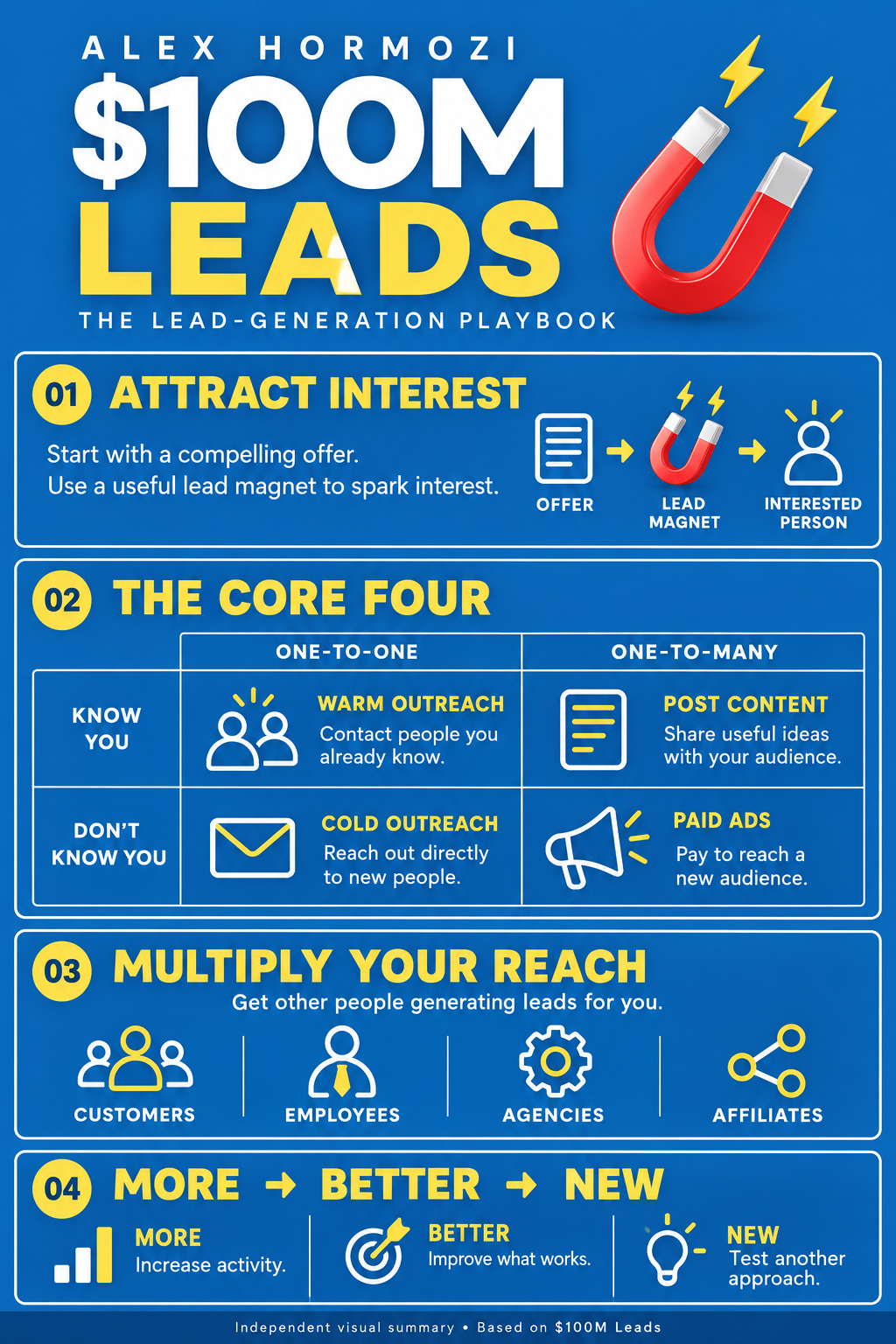
Want your visuals to match the book?Attach an image of the book cover and add this to your prompt: “Use the attached book cover as a visual style reference. Match its colors, typography, and overall design.”
01

Learn Visually

  1. 01
    /visuallearningChoose a useful visual format for this material and explain your choice.
  2. 02
    /visualsummaryOrganize the main ideas into a visual overview with labeled sections and connections.
  3. 03
    /mindmapCreate a mind map with the central topic and its major branches.
  4. 04
    /conceptmapMap how the key concepts relate to and depend on one another.
  5. 05
    /infographicCreate an infographic outline highlighting the most important information.
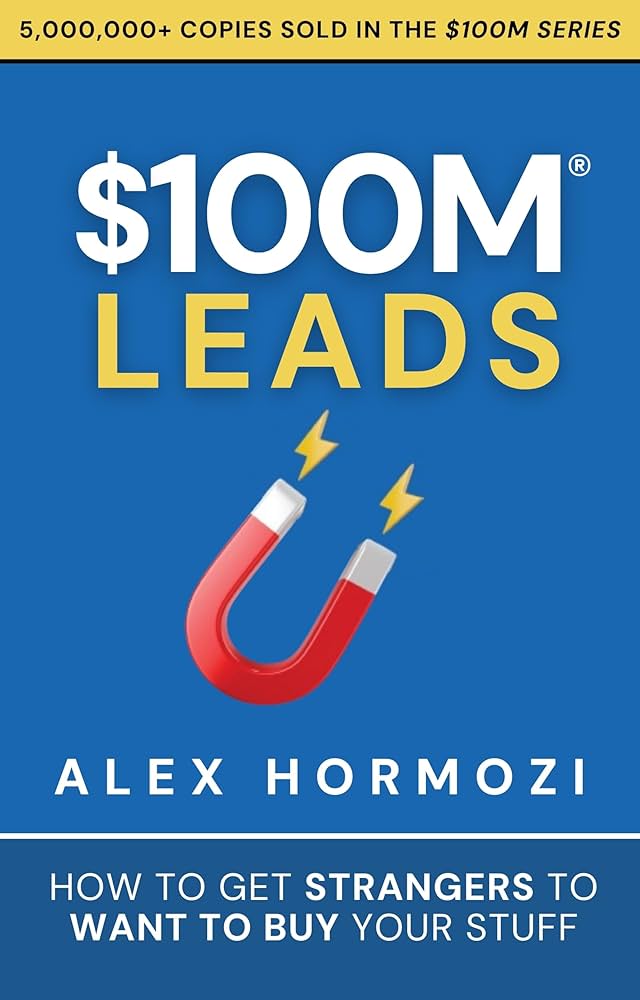
    $100M Leads book cover$100M Leads visual study example
  6. 06
    /sketchnoteDesign visual study notes using short phrases, simple symbols, and drawing suggestions.
  7. 07
    /timelineArrange the relevant events or developments in chronological order.
  8. 08
    /flowchartShow the process, decision points, and possible outcomes in a flowchart.
  9. 09
    /comicstripExplain an important idea through a short comic-strip storyboard.
  10. 10
    /visualanalogiesSuggest visual analogies that make abstract concepts easier to understand.
02

Analyze and Think Critically

  1. 11
    /argumentmapMap the main claim, supporting premises, evidence, and conclusions.
  2. 12
    /bookthesisState the author’s central thesis and explain how the book develops it.
  3. 13
    /evidenceIdentify the evidence used to support the main claims, citing passages where possible.
  4. 14
    /counterpointsPresent thoughtful objections and alternative interpretations.
  5. 15
    /critiqueEvaluate the material’s strengths, weaknesses, and internal consistency.
  6. 16
    /biasesIdentify possible biases and underlying assumptions, distinguishing inference from explicit statements.
  7. 17
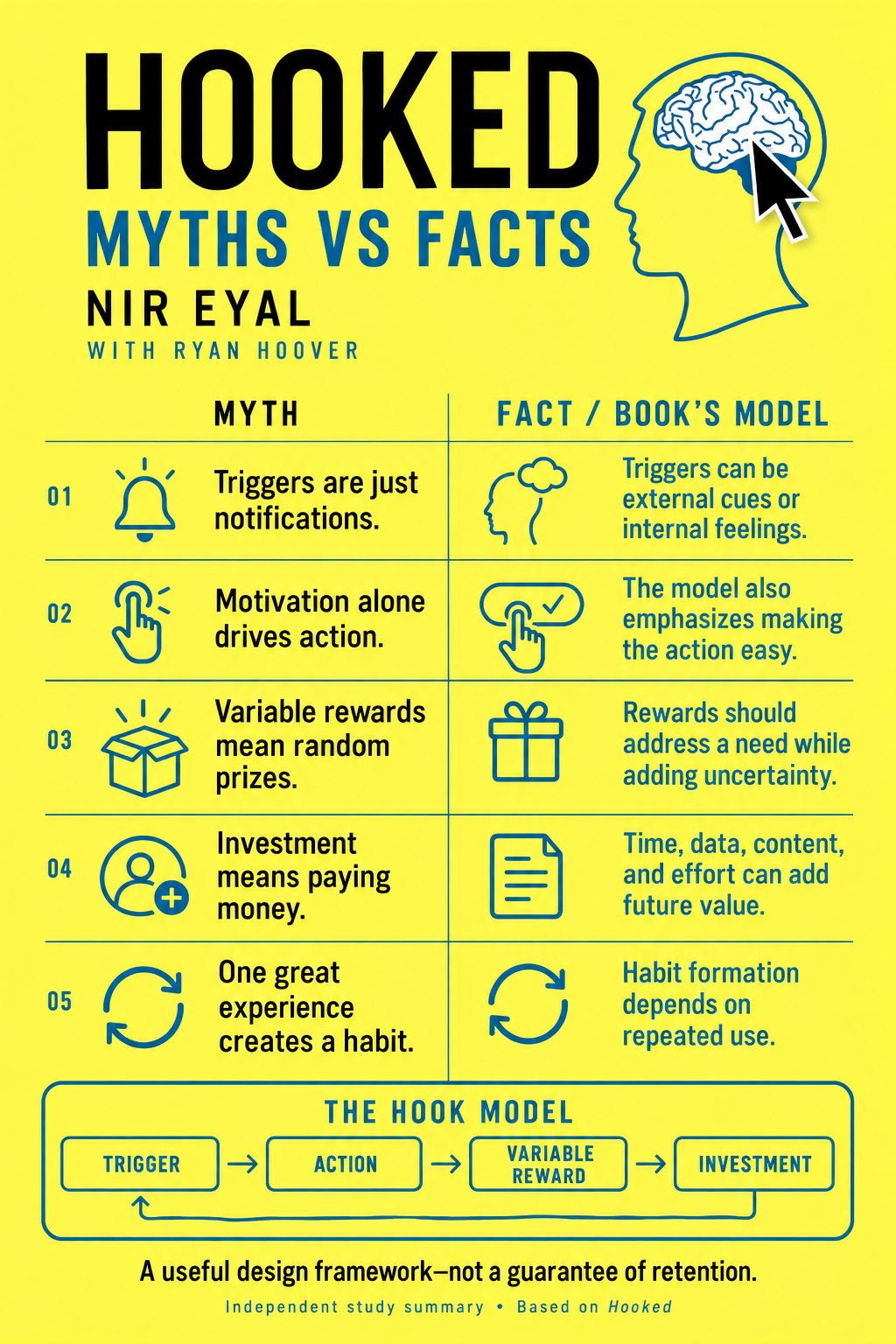
    /mythsvsfactsSeparate supported claims from misconceptions and claims that need verification.
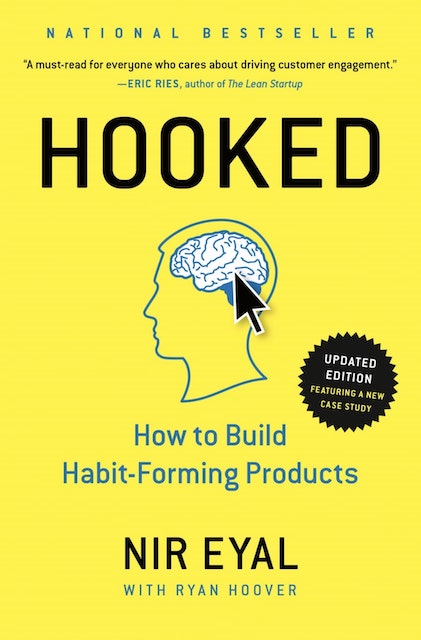
    Hooked book coverHooked visual study example
  8. 18
    /compareideasCompare selected ideas, authors, or approaches using clearly defined criteria.
  9. 19
    /deepquestionsGenerate questions that encourage interpretation, evaluation, and deeper thinking.
  10. 20
    /conclusionsExplain what the material establishes and which questions remain unresolved.
03

Understand and Summarize

  1. 21
    /executivesummarySummarize the central message, supporting arguments, and main takeaways.
  2. 22
    /fullsummaryCreate a detailed summary organized by section or theme.
  3. 23
    /quicksummaryGive me the essentials in a few concise bullet points.
  4. 24
    /chapterbychapterSummarize each chapter and explain its contribution to the overall book.
  5. 25
    /coreideasIdentify the concepts I need to understand to grasp this topic.
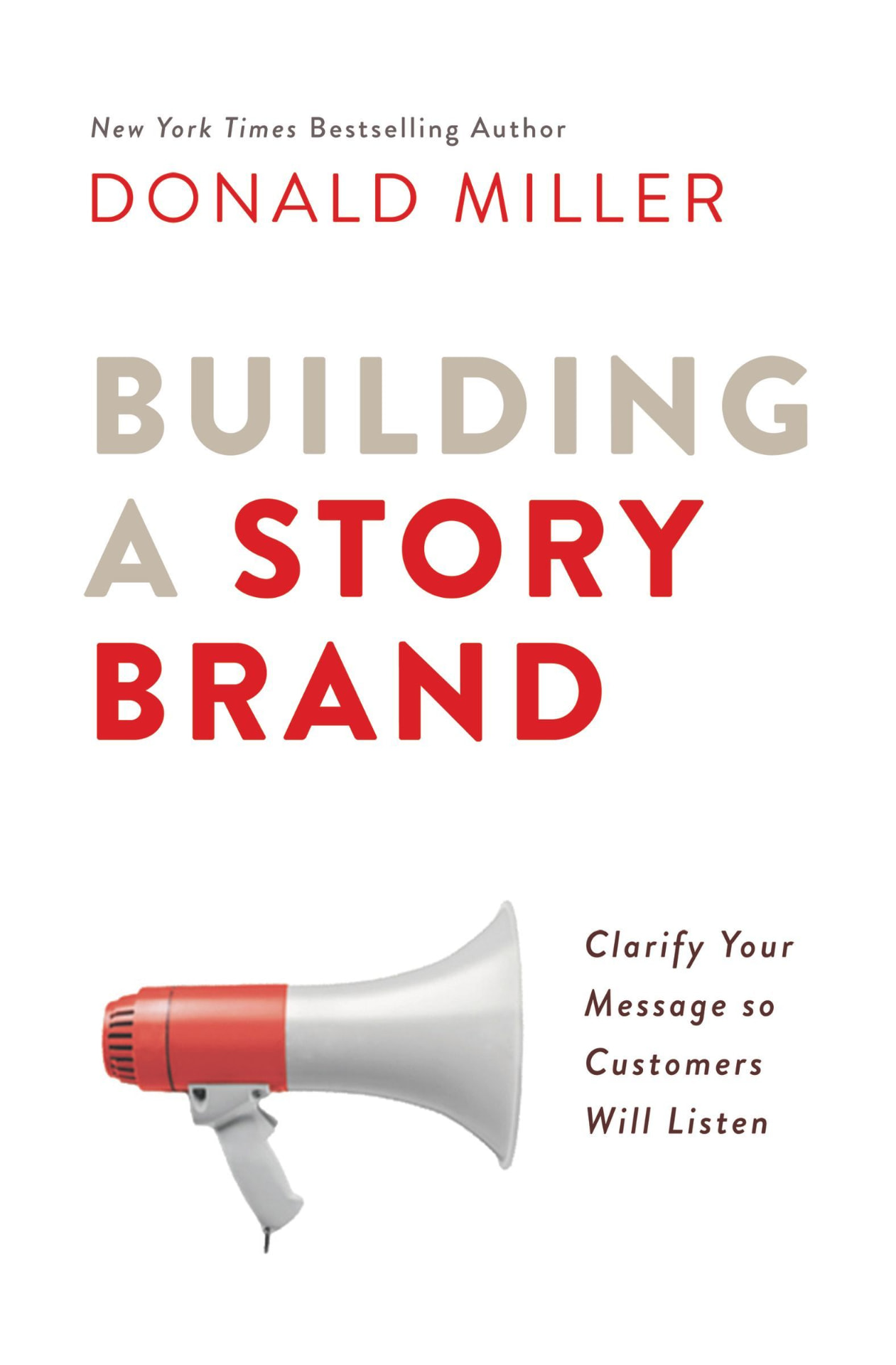
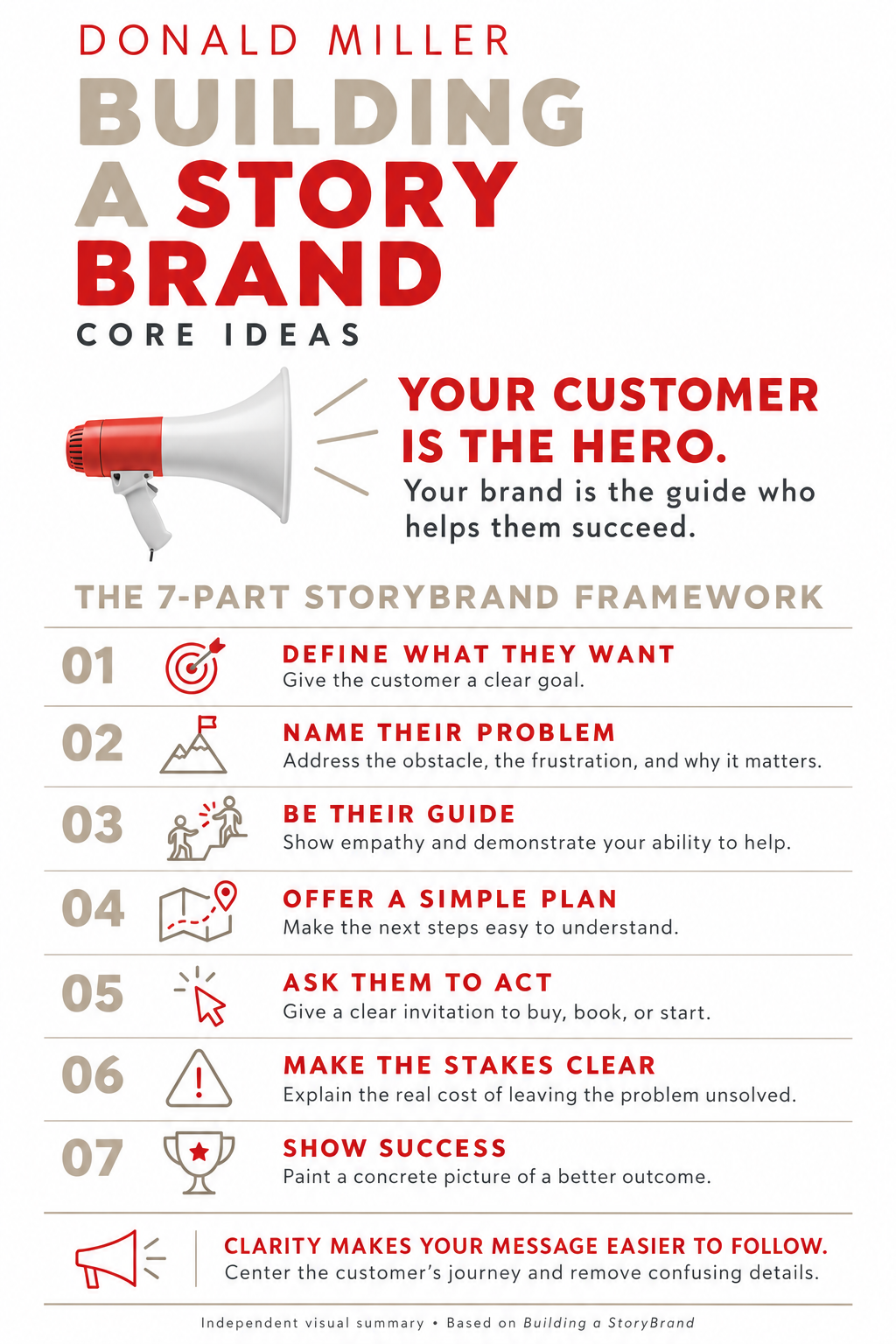
    Building a StoryBrand book coverBuilding a StoryBrand visual study example
  6. 26
    /studynotesCreate study notes covering the main claim, key terms, supporting evidence, and conclusions.
  7. 27
    /explainsimplyExplain this in plain English, defining any necessary technical terms.
  8. 28
    /explainwithexamplesExplain the main concepts using everyday examples.
  9. 29
    /glossaryBuild a glossary of important terms with clear definitions.
  10. 30
    /questionsansweredIdentify the main questions this material addresses and summarize its answers.
04

Remember and Review

  1. 31
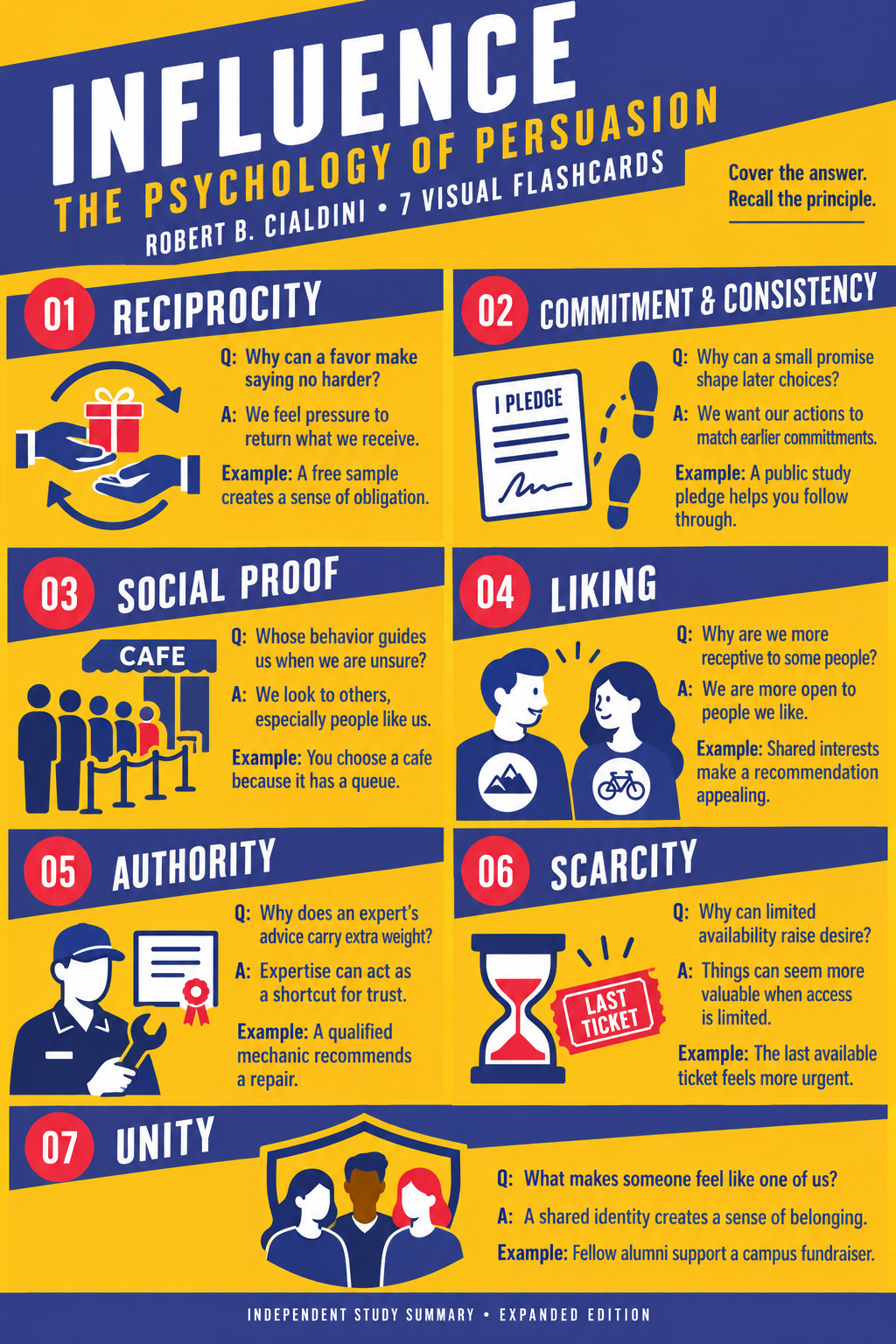
    /flashcardsCreate flashcards with a question on the front and a concise answer on the back.
  2. 32
    /visualflashcardsCreate flashcards that pair each concept with an example and a visual memory cue.
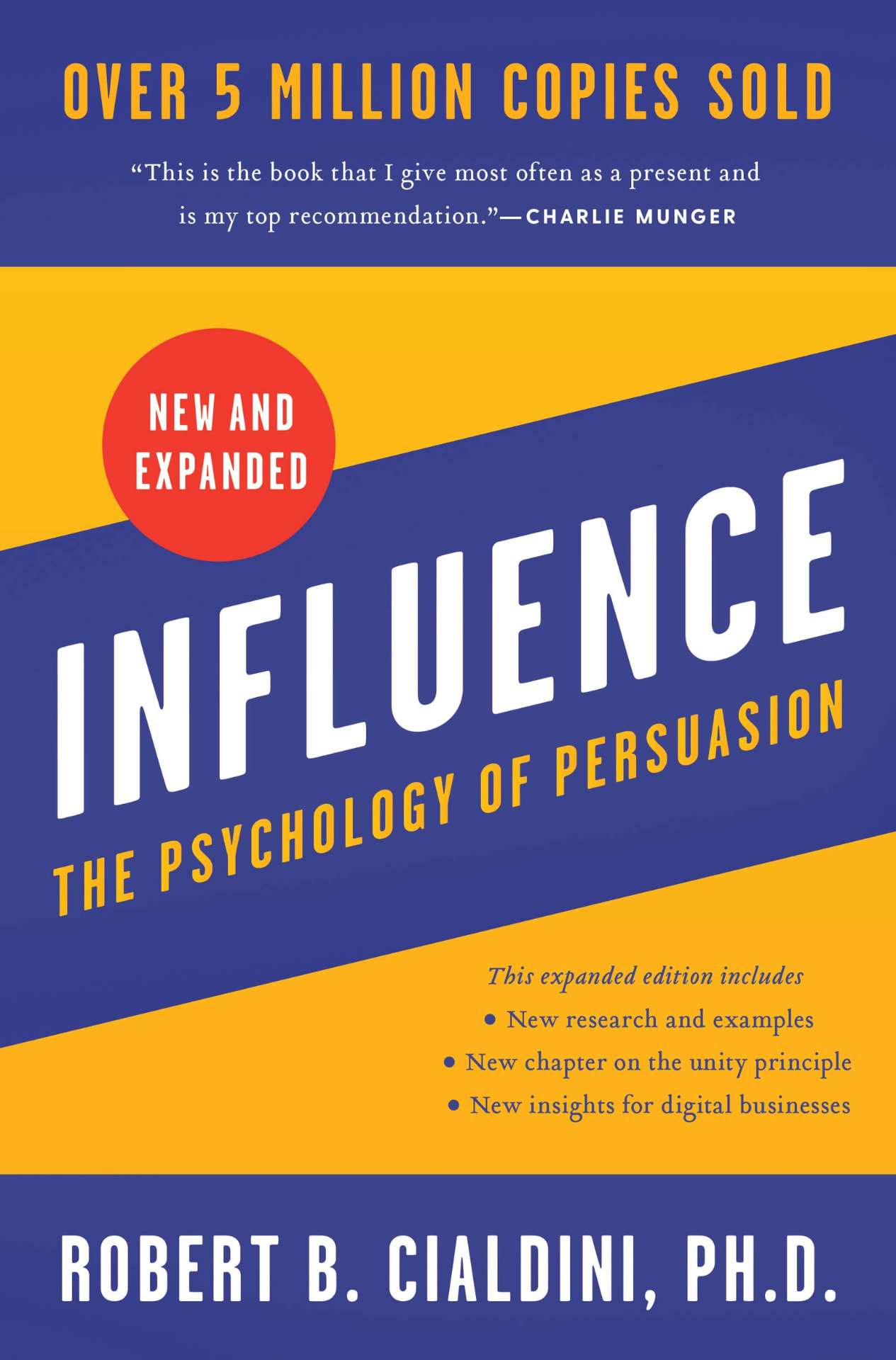
    Influence book coverInfluence visual study example
  3. 33
    /quizWrite a multiple-choice quiz with an answer key and explanations.
  4. 34
    /reviewquestionsGenerate short questions for a quick review of the material.
  5. 35
    /activerecallTest me one question at a time. Wait for my answer before giving feedback.
  6. 36
    /spacedrepetitionCreate a review schedule that revisits key ideas at increasing intervals.
  7. 37
    /fillintheblanksTurn important statements into fill-in-the-blank exercises, with a separate answer key.
  8. 38
    /trueorfalseWrite true-or-false questions and explain each answer.
  9. 39
    /mockexamCreate a practice exam with varied question types and a separate marking guide.
  10. 40
    /studysheetCondense the material into a compact revision sheet.
05

Apply and Teach

  1. 41
    /actionplanTurn the main lessons into a practical plan with specific next steps.
  2. 42
    /fullstudyCreate a complete study package: summary, concept map, flashcards, quiz, critique, and action plan.
  3. 43
    /practicalinsightsIdentify useful lessons and suggest ways to apply them today.
  4. 44
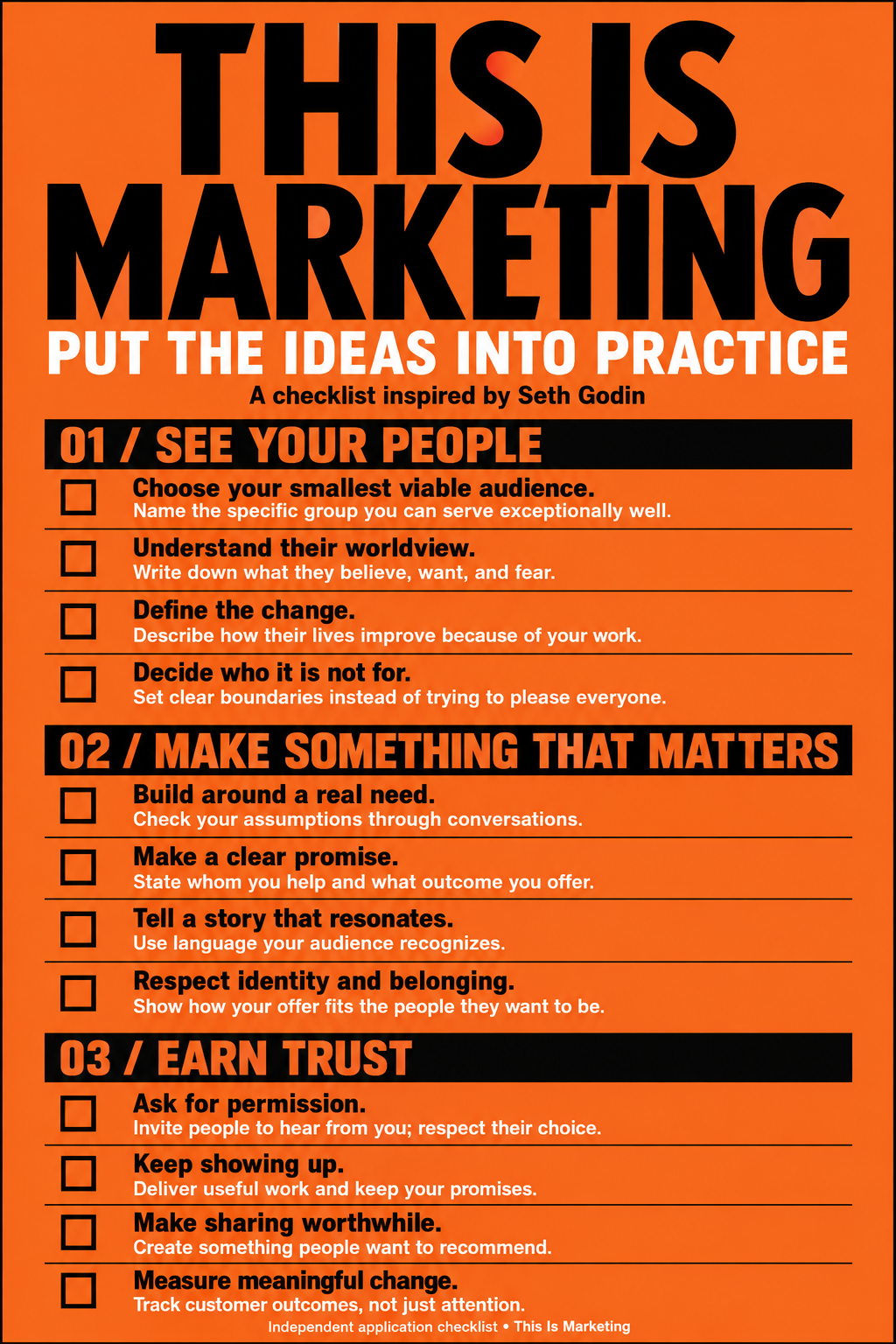
    /checklistConvert the guidance into a clear, actionable checklist.
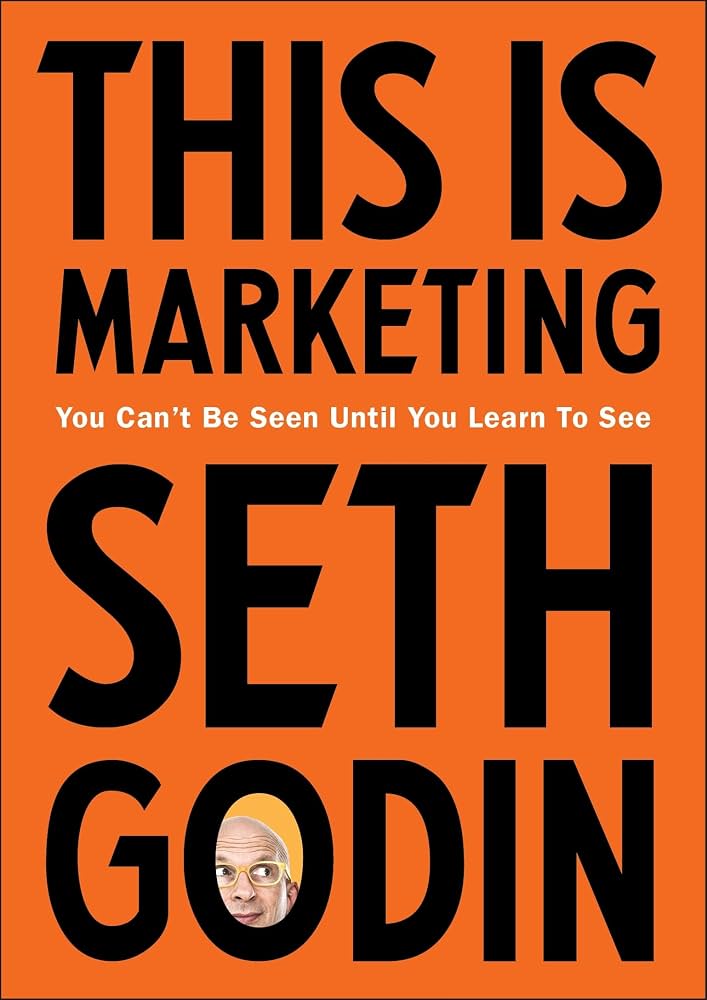
    This Is Marketing book coverThis Is Marketing visual study example
  5. 45
    /7daychallengeDesign a seven-day practice challenge with one manageable task per day.
  6. 46
    /habitsTranslate the ideas into repeatable habits with clear triggers and actions.
  7. 47
    /casestudyShow how the ideas could work in a realistic scenario, labeling any invented details.
  8. 48
    /businessapplicationExplore applications to business, marketing, and management, including relevant trade-offs.
  9. 49
    /feynmanmethodAsk me to explain the topic simply, identify gaps in my explanation, and help me improve it.
  10. 50
    /lessonplanBuild a lesson plan with learning objectives, explanations, activities, and a check for understanding.

Trying to grow your personal brand?

If you’re figuring out what to talk about, how to stand out, or how AI can make content easier, we can chat about your business and see what might make sense for you.

Let’s chat

Got one specific thing you want help figuring out?

Book a Pick My Brain session and we’ll work through it together — from AI agents and content workflows to automations and social media systems.

Pick My Brain